If you picture life in Boulder, do you see yourself walking to coffee and dinner, or stepping out the door and heading straight for a trail? That choice shapes more than your commute. It often influences your daily rhythm, the kind of home you prefer, and how much space or activity you want around you. If you are deciding between central Boulder and the foothills, this guide will help you weigh the real lifestyle trade-offs. Let’s dive in.
How Boulder Divides These Lifestyles
Boulder’s planning framework draws a meaningful line between its urban service area and Area III, which was established in 1977 to preserve rural character by limiting urban development. According to the Area III Planning Reserve and Urban Services Study, central Boulder is anchored by downtown, Pearl Street, University Hill, the Civic Area, and the Boulder Creek corridor.
As you move toward the edge of town, the setting generally shifts to lower-density areas, trailheads, and more open space, especially near the foothills and north-side access points. In practical terms, that means your choice is often less about one neighborhood versus another and more about convenience versus separation, activity versus privacy, and walkability versus trail-first living.
In-Town Boulder Lifestyle
If you want to be close to daily essentials and social activity, in-town Boulder offers the most connected experience. The city describes downtown Boulder as a full commercial district with shopping, restaurants, lodging, services, and events, while the Pearl Street Mall serves as a four-block pedestrian area lined with local businesses and regular street activity.
That kind of environment can make everyday life feel easy and spontaneous. You may be able to walk to dinner, meet friends for coffee, spend time in the park, or catch an event without planning your day around driving and parking.
Downtown and Pearl Street Access
Downtown Boulder is one of the clearest examples of a close-to-everything lifestyle. The city notes that the area includes five parking garages, three parking lots, and on-street pay parking, which reflects how active and heavily used the district is.
For you as a buyer, that often means energy, convenience, and a steady stream of activity. If you enjoy being in the middle of things, that can be a major plus. If you prefer a quieter setting, it may feel busier than you want.
Civic and Cultural Amenities
Central Boulder also offers a strong civic and cultural presence. The Central Park and Civic Area includes Boulder Creek access, an outdoor amphitheater, RTD access, and arts programming such as Arts in the Park at the Glen Huntington Bandshell.
The Boulder Creek Path runs through downtown and past destinations like the Main Library, Civic Area Park, and the Dushanbe Teahouse. For many buyers, this adds a layer of daily convenience that is hard to replicate in lower-density areas.
Mixed-Use Areas and Daily Routine
University Hill brings another version of in-town living, with an eclectic mix of restaurants, shops, and entertainment venues. Boulder Junction adds a more mixed-use, pedestrian-oriented environment with regional bus transit connections, as described in the city’s commercial districts overview.
If your ideal day includes walking to errands, grabbing a meal nearby, or using transit connections when needed, central Boulder is usually the stronger fit. It supports a more car-light routine than Boulder’s edge areas.
Foothills Living Experience
Foothills and semi-rural Boulder offer a very different rhythm. The city’s planning documents note that very low density residential areas often have larger lots, more rural characteristics, and may not have urban services, particularly in Area II and Area III, according to the Boulder Valley Comprehensive Plan.
That shift usually appeals to buyers who value privacy, space, and a stronger connection to open land. You may trade some convenience for a quieter setting and a more separated feel from Boulder’s busiest districts.
More Space and Privacy
At the foothills edge, homes and surrounding land often feel more open. The city’s building coverage standards are designed in part to preserve open space on a lot, maintain some sky and views, and enhance privacy near development.
For you, that can translate into a living environment that feels less compressed and more visually open. If lot size, views, and a sense of separation are top priorities, the foothills side of Boulder may align more closely with your goals.
Trail-First Daily Living
The foothills lifestyle also tends to be recreation-centered. The Foothills Trailhead, located north of Boulder off Highway 36, provides access to trails including Foothills, Hogback Ridge, Eagle, and Degge.
The city describes this area as a place where you may observe raptors, mule deer, coyotes, and snakes, and where the trail network connects into Boulder Valley Ranch and other open-space lands. If your weekends and evenings revolve around outdoor access, this kind of setting can feel immediate and practical.
More Driving for Some Needs
The trade-off is that semi-rural and foothills-adjacent areas often require more driving for errands and services. That is a reasonable lifestyle inference from the city’s descriptions of rural character and limited urban services in these lower-density areas.
For some buyers, that is an easy exchange for peace and privacy. For others, especially if you want a more walkable daily routine, it can feel less convenient over time.
Trail Access Differences
One of Boulder’s biggest draws is access to open space, but not all trail access feels the same. Where you live can shape whether trails feel like a neighborhood extension or more like a destination.
Chautauqua as a Gateway
Chautauqua Park is the classic in-town-to-foothills gateway. The city notes that it provides access to OSMP trails and Flatirons views, but it also points out that it is an extremely high-trafficked attraction with parking challenges on nice days. Paid parking is in effect on summer weekends and holidays, and shuttle service helps manage demand.
This is important if you love iconic access points but do not necessarily want heavy visitor activity nearby. Chautauqua delivers immediate beauty and trail access, but it also comes with demand and visibility.
North-Edge Trailheads
By contrast, north-edge foothills trailheads function more like recreation portals than neighborhood parks. Foothills Trailhead is open daily from 5 a.m. to 11 p.m., has no fee, and offers direct access to mountain-facing trail networks.
That setup may suit you if you want a quieter street scene and a more direct path to outdoor recreation. It can feel less like living beside a major attraction and more like living near an access point that supports a trail-centered lifestyle.
Home Character and Housing Mix
The home itself is often where buyers feel the in-town versus foothills decision most clearly. Boulder’s housing character changes as you move between these settings.
In-Town Homes Feel Established
Central Boulder has a notably historic and varied feel. The city says Boulder has 10 historic districts, including Chautauqua, Pearl Street Mall, Mapleton Hill, Downtown, and University Place, and that historic designation protects an area’s character through design review, as explained in the city’s overview of historic districts.
That helps explain why in-town homes often feel older, more established, and more architecturally diverse. If you appreciate character, historic context, and a broader mix of housing styles, central Boulder offers more range.
Housing Types Vary More In Town
The Boulder Valley Comprehensive Plan also notes that many residential areas in Boulder include a mix of single-family detached homes, townhomes, and apartments. That means in-town Boulder is not one housing type or one neighborhood pattern.
Instead, you may find everything from dense mixed-use settings to older detached-home areas within a relatively close distance. For buyers who want options in home type and proximity to amenities, that variety can be useful.
Foothills Homes Emphasize Separation
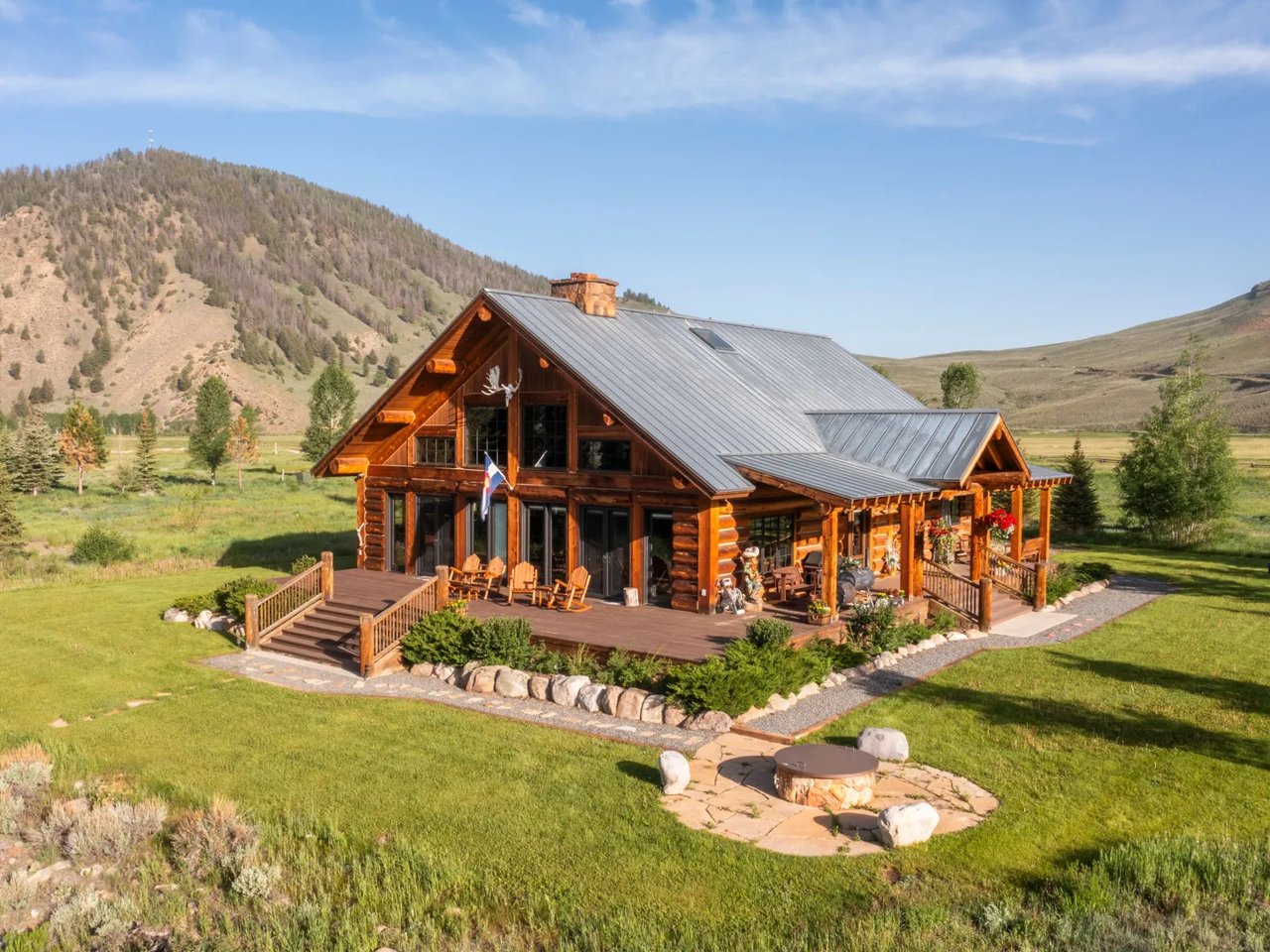
Foothills and semi-rural settings generally lean toward larger lots, more detached homes, greater privacy, and stronger visual connection to open space. That does not automatically make one choice better than the other.
It simply means the priorities are different. If your focus is room to spread out and a stronger sense of retreat, the foothills often deliver that more clearly than central Boulder.
Which Boulder Lifestyle Fits You?
If you are deciding between in-town and foothills living, start with your routine rather than a map. The best fit usually becomes clearer when you think about how you want an average Tuesday to feel, not just a sunny Saturday.
In-town Boulder may suit you best if you want:
- Walkable access to restaurants, coffee, parks, and events
- A more car-light routine
- Mixed-use districts and civic amenities nearby
- Historic character and a broader mix of housing types
Foothills living may suit you best if you want:
- More space and privacy
- Larger lots and a lower-density setting
- Direct, trail-oriented recreation access
- A quieter daily environment with more separation from activity
For many buyers in Boulder, this choice comes down to a simple question: Do you want your home to place you in the center of the city’s energy, or at the edge of its open space?
If you are weighing that decision, working with a local advisor who understands not just the map, but also property character, site context, and long-term usability can make the process much clearer. If you want tailored guidance on Boulder’s in-town and foothills options, Arn Rasker can help you evaluate the lifestyle, home features, and property details that matter most.
FAQs
What is the difference between in-town and foothills living in Boulder?
- In-town Boulder generally offers closer access to downtown, Pearl Street, the Civic Area, Boulder Creek Path, and mixed-use districts, while foothills living usually offers more space, lower density, and quicker access to trail networks and open land.
Is in-town Boulder more walkable than foothills Boulder?
- Yes. Based on the city’s descriptions of downtown, Pearl Street, the Civic Area, and Boulder Junction, central Boulder is more supportive of walking, transit use, and car-light routines.
Are foothills homes in Boulder usually more private?
- In many cases, yes. The city’s planning and building guidance indicates that lower-density areas often have larger lots, more rural characteristics, and stronger emphasis on open space, views, and privacy.
Which Boulder area is better for trail access?
- Both offer trail access, but the experience differs. Chautauqua is a high-demand gateway near town, while north-edge foothills trailheads such as Foothills Trailhead offer direct mountain-facing access with a quieter, more recreation-focused setup.
What types of homes are common in central Boulder?
- Central Boulder includes a mix of single-family homes, townhomes, apartments, mixed-use areas, and homes within historic districts, which creates a more varied housing landscape than many foothills-edge areas.
How do I choose between in-town and foothills properties in Boulder?
- Start by comparing your priorities for walkability, privacy, lot size, trail access, daily driving, and home character. A local property evaluation can help you narrow the choice based on how you actually want to live.