If you want to capture a premium remote buyer for your Louisville home, your listing has to do more than look good. It has to answer serious questions before a buyer ever schedules a flight, from layout and condition to wildfire documentation and neighborhood context. In a market where homes can move quickly and online impressions shape early decisions, thoughtful preparation can help you reduce friction and support a stronger sale. Let’s dive in.
Why remote buyers matter in Louisville
Louisville has a strong story for relocation-minded buyers. City materials highlight its small-town feel, access to Boulder in about 15 minutes, downtown Denver in about 25 minutes, and Denver International Airport in about 35 minutes, along with extensive open space and more than 32 miles of trails. The city’s 2024 community survey also reports that 93% of respondents rated Louisville as an excellent or good place to live and 92% rated quality of life excellent or good.
That combination can resonate with buyers who are searching from another state or from abroad. Louisville also has an educated, knowledge-worker profile, with more than 72% of adults holding a bachelor’s degree and half of those holding advanced degrees. For a seller, that means your likely buyer may be analytical, busy, and comfortable making the first round of decisions online.
Current market data points in the same direction. As of March 2026, available sources describe Louisville as seller-leaning, with median days on market generally landing in the mid-20s to low-30s depending on the source and methodology. That does not mean every home sells itself, especially at the upper end, but it does mean strong presentation and clear positioning can matter quickly.
What premium remote buyers need first
Remote buyers often make their first yes or no decision from a screen. According to NAR’s 2025 buyer survey, 43% of buyers first looked online for properties, and among internet users, the most useful features were photos, detailed property information, floor plans, virtual tours, and videos. In plain terms, your digital presentation is not support material. It is the showing before the showing.
For premium buyers, this matters even more. A high-value home usually carries more decision points, including finishes, systems, condition, and how the floor plan actually lives day to day. If your listing leaves gaps, buyers may move on to the next property that feels easier to understand.
That is why the goal is not just attention. The goal is confidence. A remote buyer should be able to understand the home’s design, function, upkeep, and context well enough to feel comfortable taking the next step.
Build a remote-ready listing package
Start with photos that lead the story
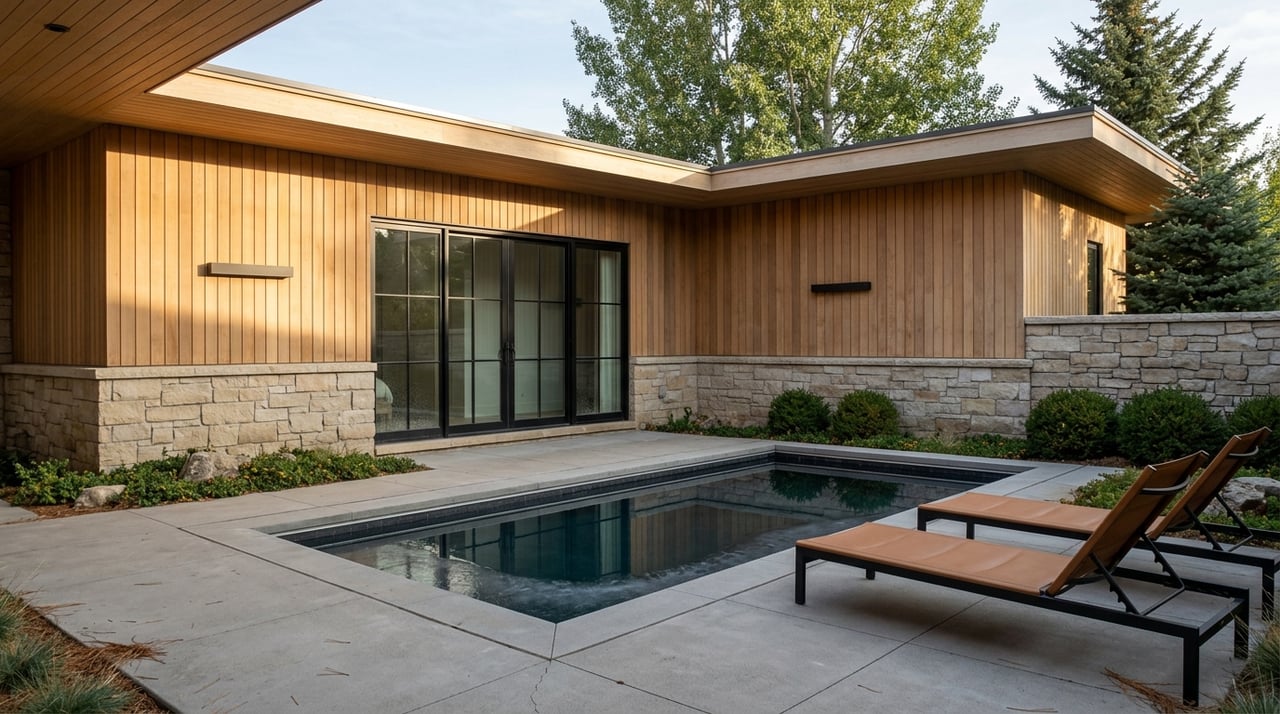
Photos remain the most useful online feature for buyers, and the lead image sets expectations for the entire listing. For a Louisville home aimed at premium remote buyers, the opening image should immediately communicate the property’s strongest value, whether that is architecture, setting, light, outdoor living, or proximity to downtown Louisville.
The rest of the photo sequence should answer practical questions in a logical order. Buyers should be able to understand arrival, main living spaces, kitchen flow, primary suite, secondary rooms, outdoor areas, and any specialty spaces such as an office, gym, guest suite, or workshop. A polished image set should feel complete, not selective.
Accuracy matters just as much as polish. Over-edited images can create a mismatch between expectation and reality, and that can weaken trust fast. If virtual staging is used, it should be disclosed clearly.
Treat floor plans and virtual tours as essential
For remote buyers, a floor plan can be the difference between curiosity and action. NAR reporting shows floor plans are one of the most requested visual assets after photos, and virtual tours help buyers assess layout from anywhere. Together, they reduce guesswork.
That matters in Louisville because many homes have character, additions, indoor-outdoor connections, or design features that are hard to understand from still photography alone. A buyer should not have to wonder how the kitchen connects to the yard or whether the upstairs layout supports guests or work-from-home needs. The more clearly you answer those questions, the more likely a serious buyer is to stay engaged.
Write description copy that removes uncertainty
A premium listing description should do more than sound elegant. It should explain what makes the property valuable and easy to understand from afar. That includes layout highlights, notable upgrades, material quality, and any details that affect use or maintenance.
For Louisville homes, strong copy may also include location context such as access to trails, downtown amenities, or transportation routes, as long as the language stays factual and neutral. If the home has historic character, the description can also lean into Louisville’s preservation story in a credible way, especially in or near Old Town where the city maintains historic surveys for parts of the area.
Tell the Louisville story clearly
Highlight lifestyle drivers with facts
Louisville has a clear appeal, and remote buyers often need that context. The city emphasizes its open space, trail network, and convenient regional access. For someone relocating, those facts help frame daily life in a way that a map alone cannot.
This is especially useful when your buyer has not spent much time in Boulder County. A well-positioned listing can help them understand why Louisville often stands out for people who want access to Boulder and Denver while still valuing a distinct local identity.
Use historic character carefully
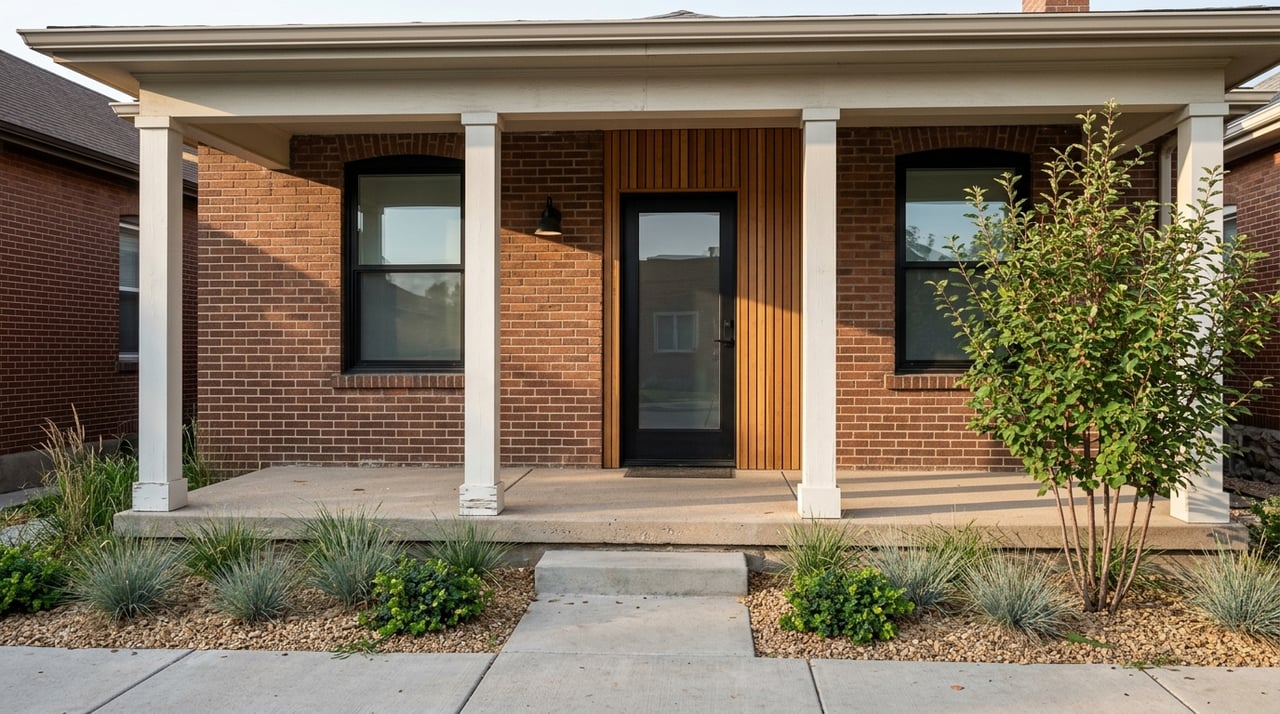
If your property has older architectural details, a preserved facade, or ties to Louisville’s older fabric, that can be a real part of the value story. The city’s Museum Campus and preservation efforts support that narrative, and the existence of historic building surveys for parts of Old Town gives helpful context.
Still, premium positioning works best when it is specific. Instead of using vague language, describe the actual elements that matter, such as original trim, thoughtful restoration, craftsmanship, or documented preservation work. Remote buyers respond well when the story is grounded in visible details and paper trail, not just mood.
Documentation can justify a premium price
Create a seller packet before launch
Remote buyers move faster when the information is organized. A strong pre-listing packet can include permit history, inspection reports, warranties, service receipts, roof and mechanical ages, HOA or architectural documents if relevant, and any neighborhood-specific notes that affect the property.
This approach aligns well with Colorado disclosure expectations. The Colorado Division of Real Estate says brokers must disclose adverse material facts actually known to them, including issues such as structural defects, soil conditions, zoning or building-law violations, and environmental hazards. For a seller, clear preparation helps reduce surprises and supports a cleaner transaction.
Include lead-based paint records when required
If your Louisville home was built before 1978, lead-based paint disclosure is part of the process. Colorado’s required form calls for sellers to provide known records and reports, and buyers receive a 10-day risk-assessment or inspection period unless the parties agree otherwise in writing.
For remote buyers, this is another area where organization matters. If records are available early, buyers can review them before they are deep into travel planning or contract timing. That can help maintain momentum.
Address wildfire resilience directly
Wildfire awareness is part of the Louisville market today. City and county materials note the lasting impact of the Marshall Fire, and Boulder County says wildfire mitigation is required for new buildings, additions, alterations, and repairs in wildfire-prone areas. Louisville also currently posts Stage 1 fire restrictions.
For premium remote buyers, resilience is not a side issue. It is part of the value conversation. If your home has mitigation work, fire-resistant improvements, updated landscaping strategy, or documentation tied to rebuilding or repairs, those details should be available and easy to understand.
This is where a technically informed listing strategy can help. Rather than speaking in generalities, present what has actually been done, what materials or systems are relevant, and what records support the work. Buyers making a remote decision often want that documentation before they feel comfortable writing a strong offer.
Be upfront about location-specific factors
Some homes have features that deserve plain early explanation. In parts of the Louisville area, airport context may be one of them. The city notes that Rocky Mountain Metropolitan Airport is located in Broomfield between Denver and Boulder and is one of the busiest airports in Colorado, with voluntary noise-abatement procedures and a noise complaint line.
If a property is affected by aircraft noise or sits near an airport-influence area, it is better to address that honestly than let a buyer discover it later. The same goes for access patterns, adjacent uses, or local restrictions that may matter to someone buying from a distance. Premium positioning is not about hiding friction. It is about managing it with clarity.
Keep marketing consistent across channels
A remote buyer may see your home on several platforms before reaching out. NAR’s 2025 seller data shows homes are commonly marketed through the MLS website, major portals, agent websites, and social platforms. That means the headline, image order, and core property story should stay aligned everywhere.
Consistency helps buyers retain confidence. If they see different descriptions, missing details, or uneven visual quality across channels, the home can feel less credible. A premium listing should feel intentional from first impression to private showing.
Why technical preparation matters at the top end
At higher price points, presentation alone is rarely enough. Buyers want beauty, but they also want proof. They want to know how the home was maintained, what improvements were made, whether systems and structure have been evaluated, and how local conditions may affect ownership.
That is where a technical-luxury approach can create an edge. When your marketing is paired with construction-informed preparation, better documentation, and clear disclosure strategy, your listing becomes easier for a remote buyer to trust. In a seller-leaning Louisville market, that trust can support stronger interest and better execution.
If you are preparing to sell a distinctive Louisville property, the right plan starts before the listing goes live. For tailored guidance on pricing, preparation, media strategy, and documentation, request a bespoke market consultation with Arn Rasker.
FAQs
How should you market a Louisville home to out-of-state buyers?
- Focus on a complete digital package with professional photos, a floor plan, virtual tour, detailed listing copy, and organized documentation that helps buyers understand layout, condition, and local context before visiting.
What do remote luxury buyers want to see in a Louisville listing?
- They typically want strong visuals, detailed property information, a clear sense of the floor plan, honest condition notes, and records that reduce uncertainty about systems, upgrades, and ownership considerations.
Why does wildfire documentation matter for Louisville home sales?
- Louisville and Boulder County remain wildfire-aware after the Marshall Fire, so buyers may look for mitigation records, rebuilding details, or resilience-related improvements as part of their purchase decision.
What disclosures matter when selling a home in Louisville, Colorado?
- Colorado requires disclosure of adverse material facts actually known to the broker, and homes built before 1978 may also require lead-based paint disclosure with known records and reports.
Can historic character help position a Louisville home at a premium?
- Yes, if the home’s character is supported by real details such as craftsmanship, restoration work, or location within Louisville’s historic context, especially where Old Town surveys or preservation relevance apply.
Why are floor plans important for remote buyers in Louisville?
- Floor plans help buyers understand how spaces connect and function, which is especially useful when they are evaluating homes from a distance and cannot easily tour in person right away.