Choosing between a character-filled bungalow and a sleek new infill home in North Denver can feel like choosing between heart and ease. You may love the porches, brickwork, and mature streetscapes of older homes, but also want the layout, flexibility, and lower day-one project load that often come with newer construction. If you are weighing both paths, it helps to look past style alone and focus on rules, upkeep, and how you actually want to live. Let’s dive in.
North Denver offers both
North Denver is not one thing. It is a mix of older close-in neighborhoods with preservation tools and newer pockets where infill has introduced more contemporary housing forms.
In the broader Highlands area, preservation is especially visible. Denver’s Near Northwest materials note that Highland includes three local historic districts and one national historic district, while Sunnyside is shaped more by conservation overlays and survey-based preservation tools. Nearby Berkeley has seen more active redevelopment along the Tennyson corridor.
Where historic charm stands out
Potter Highlands feels most intact
If you picture classic North Denver charm, Potter Highlands is often the clearest example. Denver’s landmark guidelines describe a rich mix of Queen Anne, Craftsman Bungalow, Classic Cottage, Denver Square, Colonial Revival, Dutch Colonial Revival, Mission, and Prairie styles.
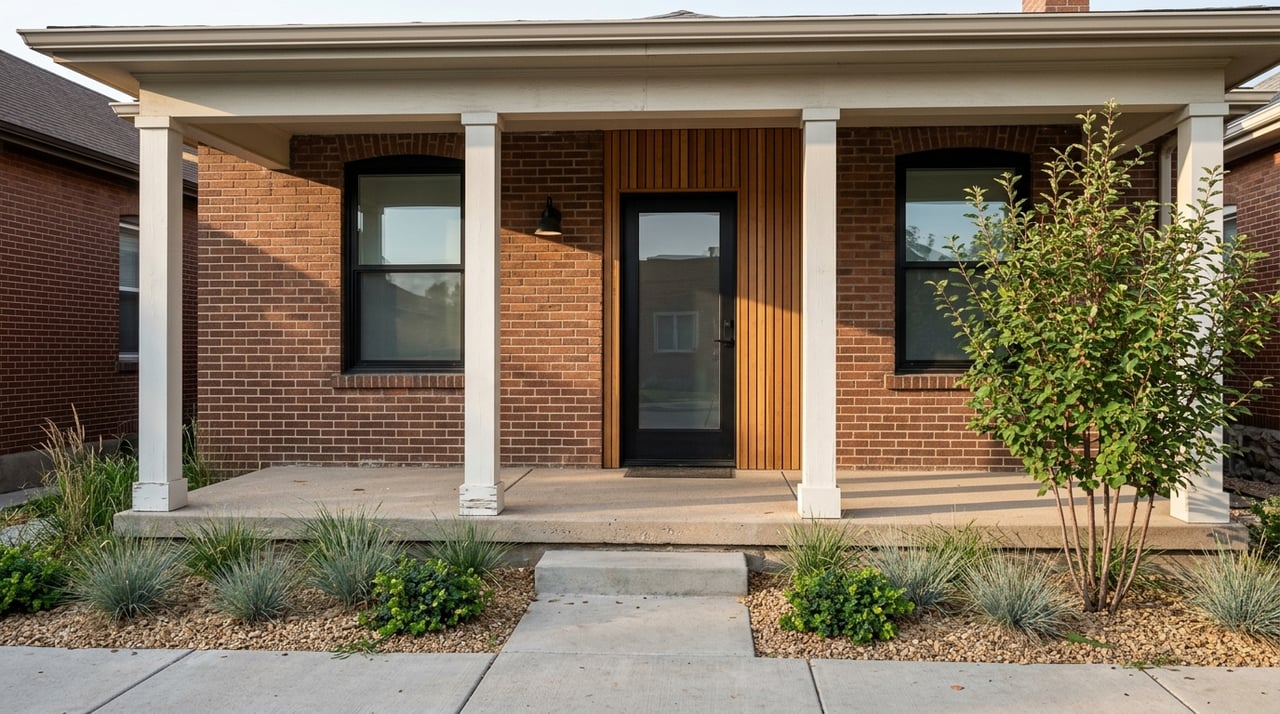
The area is also defined by brick homes, one- to two-story massing, mature trees, square blocks, interior carriage lots, and prominent front porches. That combination creates a strong sense of visual continuity, which is part of the appeal for buyers who want architectural character and an established setting.
Potter Highlands is not just old housing stock. It is a protected historic district with design review and a conservation overlay that helps preserve side setbacks, lower heights for flat-roofed buildings, shorter bulk planes, and the absence of rooftop decks.
Sunnyside blends old and new
Sunnyside began in 1872 and still includes many modest older homes with projecting front porches and pitched roofs. According to Denver planning materials, most residences are one to two-and-a-half stories and often reflect Four Square, Classic Cottage, Bungalow, and Minimal Traditional styles.
At the same time, Sunnyside has changed. Newer construction has added more contemporary flat-roof forms and a larger mix of multi-unit and larger housing options. The neighborhood’s overlays were adopted for 3,259 homes to encourage preservation of existing houses while helping new infill stay more compatible with the surrounding context.
Berkeley shows more redevelopment
Berkeley has roots in streetcar-era growth, and early Tennyson homes were often small, simple dwellings with gabled roofs and rectangular plans. Over time, many historic single-family homes on the corridor were demolished, expanded, or converted.
That means intact original homes can be harder to find on some blocks. It also means Berkeley can offer a sharper contrast between older homes and newer redevelopment, especially near Tennyson where larger multi-unit buildings have replaced much of the original scale.
What new builds look like here
Infill is not one standard product
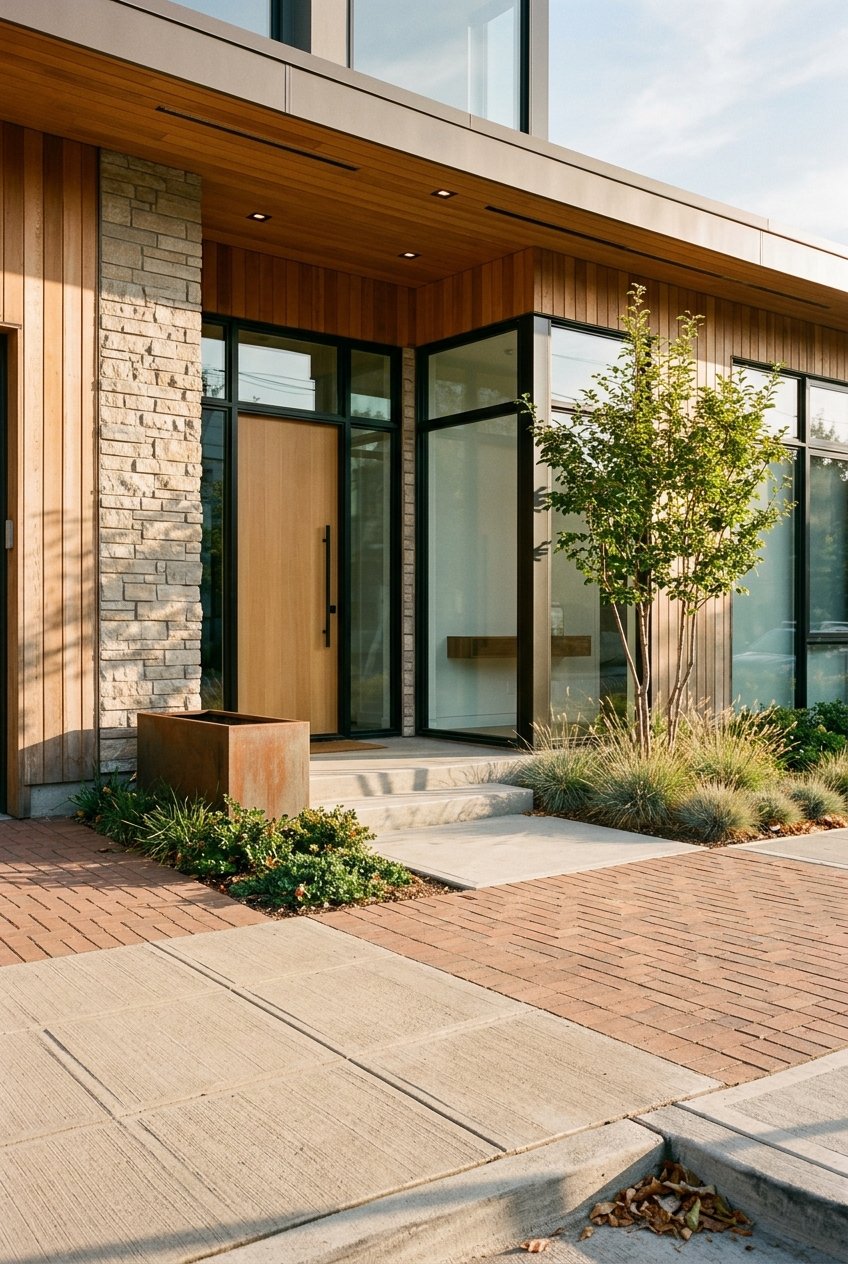
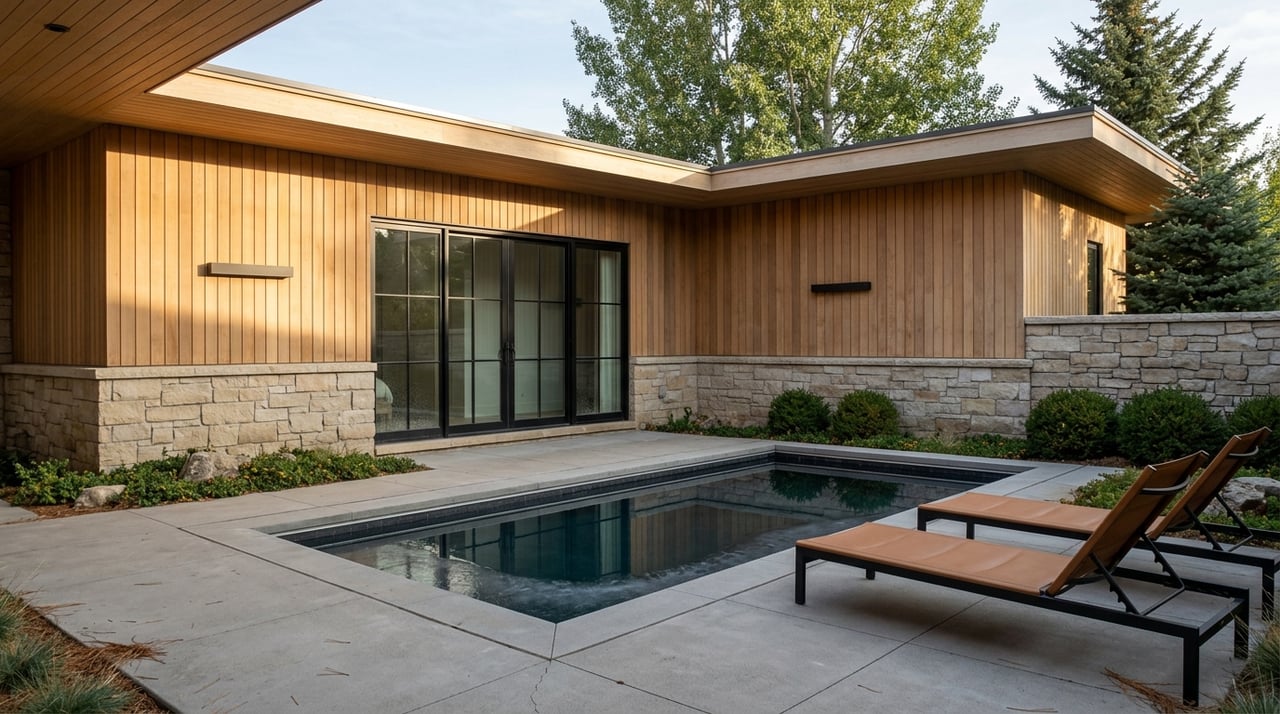
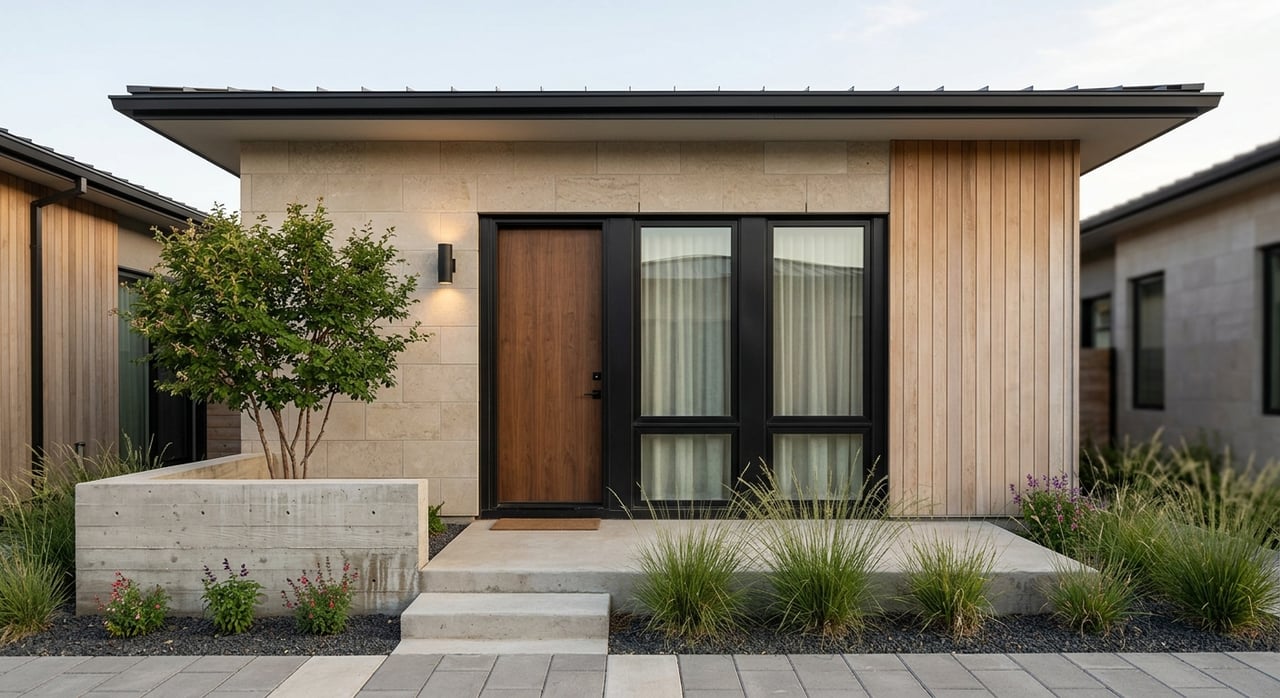
In North Denver, new construction is often infill rather than a large-lot suburban model. Denver’s Near Northwest pattern book describes newer single-family homes, pop-tops, and duplexes in Sunnyside and Highland settings, often with more contemporary flat-roof forms alongside traditional pitched-roof homes.
That matters because “new build” can mean several different things. You might be looking at a fully new single-family house, a duplex, a tandem-house concept, a pop-top addition, or a major remodel that functions almost like new construction.
More housing types create more options
Denver has also widened the range of house-scaled new construction. The city’s Unlocking Housing Choices materials define middle housing to include duplexes, tandem houses, fourplexes, and other house-scaled forms, with updated design requirements intended to keep new construction compatible with existing neighborhoods.
Accessory dwelling units are now allowed in all residential areas citywide. Denver says that change opened ADU potential on 70 percent of Denver land, compared with 36 percent before passage. For buyers and investors, that expands the conversation beyond a simple old-versus-new decision.
How floor plans usually differ
Older homes often trade space for character
City documents do not spell out every interior layout, but the dominant older housing types in Potter Highlands, Berkeley, and Sunnyside are cottages, bungalows, and other small-scale homes with one- to two-story footprints. In practice, that usually means more compartmentalized layouts and less expansive interior volume than newer infill.
If you love defined rooms, original details, and a cozier scale, that can be a benefit. If you want large kitchens that open to living space, flexible work areas, or a more contemporary indoor-outdoor feel, you may find newer product more aligned with your needs.
Newer homes usually favor flexibility
Newer infill, duplexes, and pop-tops are more likely to deliver larger and more flexible layouts. For many buyers, that means better fit for current living patterns without the need to rework an older floor plan right away.
This is where a clear needs analysis matters. A home can be beautiful on paper but still be the wrong choice if the layout creates an ongoing renovation project you do not want.
The real trade-off is management
Historic homes ask for stewardship
Older homes often offer the most visible charm, but they also tend to bring more maintenance decisions. In Potter Highlands, common character-defining features include brick masonry, wood windows, porches, retaining walls, and alley-access carriage structures.
In practical terms, those features can mean more exterior upkeep and more care when matching original materials. Even seemingly simple updates may require a closer look, especially in protected areas where review standards apply.
Denver’s guidance on windows and doors shows that some replacements may be approved administratively when they affect nonhistoric or noncontributing elements. That underscores an important point: maintenance is not impossible, but it is not always simple.
New builds shift the checklist
A newer home usually changes the type of diligence you need to do. Instead of focusing primarily on preserving original materials, you are more likely to be verifying builder quality, finish execution, drainage, and permit completeness.
Denver states that new homes and additions require zoning, building, and sewer-use or drainage permits. The city reviews projects for drainage, transportation, structural, fire, energy, and in some cases health or forestry compliance. That does not remove risk, but it makes the risk more about verification than restoration.
Why parcel-level research matters
Two houses on one street can differ
One of the most important facts for North Denver buyers is that rules can change from parcel to parcel. Two homes on the same street may face very different review standards depending on whether one sits in Potter Highlands, another falls under a Sunnyside conservation overlay, or a third stands on a non-protected infill lot.
Denver’s historic-landmarks map is the city’s official tool for checking whether a property is a landmark or historic-district parcel. Landmark Preservation also advises confirming status by address when there is any uncertainty.
Compatibility review affects new projects
If you are buying with plans to build new, add on, or significantly alter a property, protected areas require extra attention. Denver says Landmark Preservation reviews new construction in historic districts for mass, form, context, and design details.
New primary structures or tandem houses require a pre-application review meeting. If a project is in a historic district with a trained registered neighborhood organization, it also must be presented to that RNO before a complete application is submitted.
Which option fits your goals?
Historic charm may suit you if
A historic home may be the better fit if you value:
- Original architectural character
- Mature trees and established streetscapes
- Front porches, brickwork, and classic neighborhood patterns
- The process of thoughtful upkeep or renovation
- A home that feels distinct rather than standardized
This path often works best when you are comfortable with ongoing project management and understand that preserving charm can require patience and careful decisions.
New construction may suit you if
A newer build may be the better fit if you want:
- More contemporary layouts
- Larger or more flexible living spaces
- House-scaled options such as duplexes or homes with ADU potential
- A more standardized permitting and construction path
- Less emphasis on original-material preservation
This path can be especially appealing if you want modern function first and would rather spend your energy on verification than renovation.
A smarter way to compare both
When buyers compare historic homes and new builds, the best question is not “Which is better?” It is “Which one matches the amount of stewardship, change, and technical review I want to take on?”
That is especially true in North Denver, where neighborhood character, overlays, historic districts, and redevelopment patterns can all shape what you can do with a property over time. A good decision blends design preference with a realistic view of approvals, maintenance, and long-term use.
For buyers and sellers navigating distinctive homes, infill opportunities, or renovation-sensitive properties, technical diligence matters. If you want a clear, informed strategy for evaluating North Denver options, connect with Arn Rasker to request a bespoke market consultation.
FAQs
What makes historic homes in North Denver different from newer builds?
- Historic homes in areas like Potter Highlands, Sunnyside, and parts of Berkeley often offer more visible architectural character, mature streetscapes, and smaller-scale home types, while newer builds are more likely to offer contemporary layouts, larger footprints, and house-scaled infill options such as duplexes or pop-tops.
What should buyers check before buying a historic home in North Denver?
- You should confirm whether the property is a landmark, sits in a historic district, or falls under a conservation overlay, because those rules can affect exterior changes, additions, and some maintenance decisions.
Are new builds in North Denver subject to design review?
- Yes, new construction in historic districts is reviewed by Denver Landmark Preservation for compatibility, including mass, form, context, and design details.
What neighborhoods in North Denver have the strongest historic character?
- Potter Highlands is one of the clearest examples of preserved historic character, while Sunnyside still has many older modest homes and Berkeley offers a mix of remaining older housing and more active redevelopment near Tennyson.
Are newer homes in North Denver always easier to own?
- Not always. Newer homes may reduce restoration concerns, but buyers still need to verify builder quality, finishes, drainage, and permit completeness.
How do floor plans differ between older and newer homes in North Denver?
- Older homes are often based on cottages and bungalows with more compartmentalized layouts, while newer infill homes are more likely to offer larger and more flexible contemporary floor plans.