If you crave quiet canyon air, starry nights, and a town where the main street greets the creek, Jamestown might be the retreat you picture. You still want easy reach to Boulder for work, dining, and concerts, but you prefer a slower daily rhythm. In this guide, you’ll see what life actually looks like here, from home systems and services to trail access and hazards, so you can decide if this mountain town fits your vision. Let’s dive in.
Why Jamestown feels like a retreat
Tucked in the Front Range foothills along James Creek, Jamestown sits at about 7,208 feet with a 2020 population around 256, a single canyon road, and a compact town core. Those facts alone support the quieter pace and small-town feel many owners seek. You can verify the setting and scale in the town’s overview on Jamestown, Colorado.
You are 13 or so miles northwest of Boulder, yet the canyon setting feels worlds away. James Canyon Drive is the thread through town and your link to U.S. 36 and the Peak-to-Peak on SH 72. That geography shapes daily life, the soundscape, and your sense of privacy.
Daily rhythm in Jamestown
Locals often frame life here as mountain days followed by community nights. The Jamestown Mercantile, known as “The Merc,” functions as the living room of town with food, a bar, live music, and open-mic nights. It is also a cyclist stop and social anchor. For cultural texture and context, read the feature on Jamestown’s vibe in Boulder Magazine.
You also feel the town’s scale in its civic touchpoints. There is a town hall, a post office, a small two-room elementary school, and community gardens. Some garden spaces sit on parcels purchased after the 2013 flood, a reminder of resilience and community workdays.
Close to Boulder, yet away from it
A planning-level estimate places the Jamestown to Boulder run at roughly 13 miles and about 20 to 30 minutes in good conditions. That framing, taken from the county’s mountain transit study, is helpful for commute and errand planning. Review the context in the Boulder County Mountain Town Transit Feasibility Study.
Bottom line: You get a retreat-like pace while staying within reach of the city.
Homes and systems to expect
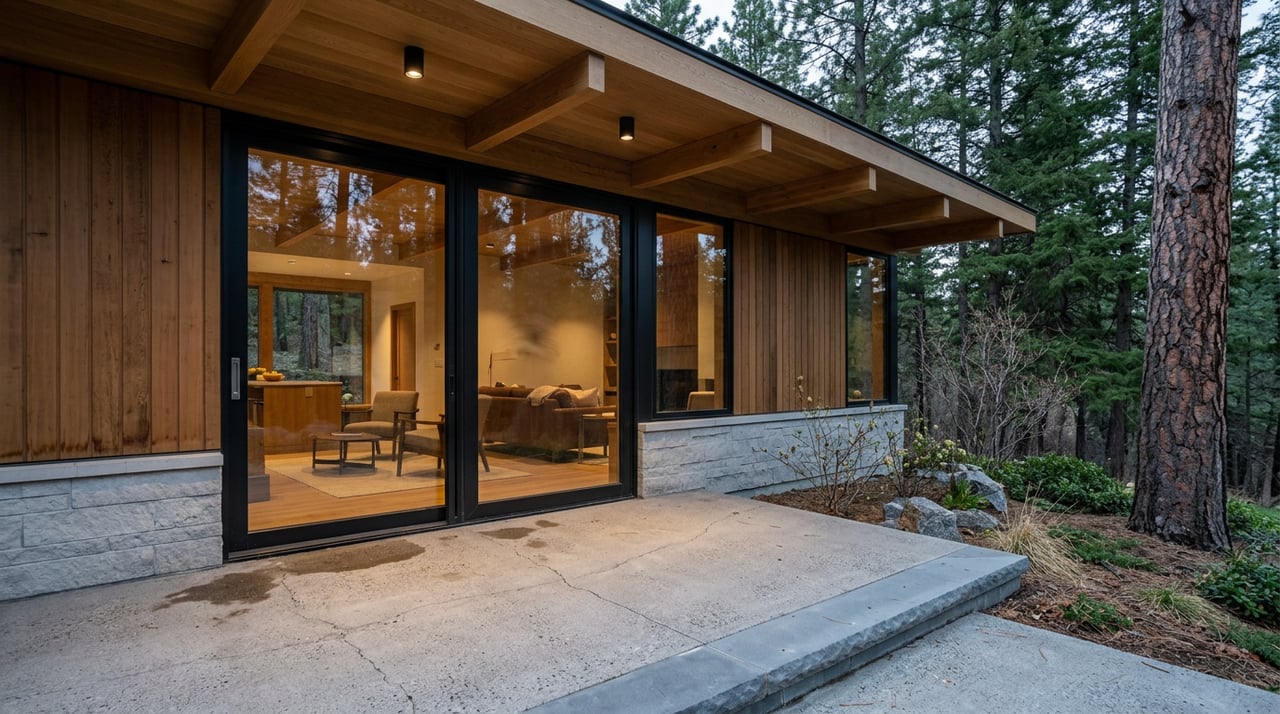
Many Jamestown homes were built before modern codes and insulating standards became common. That does not mean they lack comfort. It means systems and upkeep often look different than in a recent in-town build.
- Heating is commonly wood-burning stoves, propane, or electric.
- Air-conditioning is rare at this elevation.
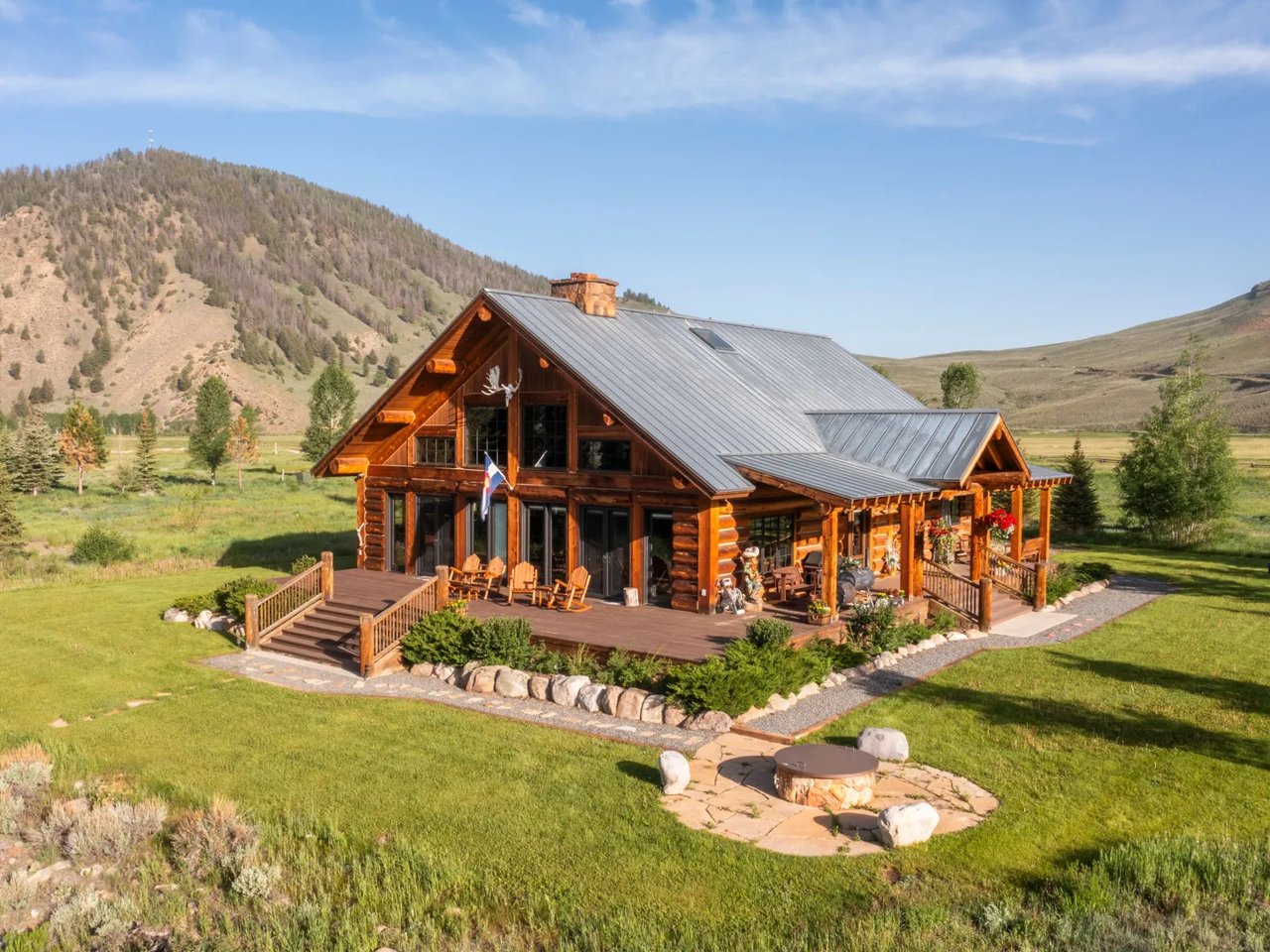
- You will find historic mining-era cabins, modest cottages, and newer rebuilds or retrofits.
These realities come straight from the town’s sustainability planning materials. For a factual overview of local housing and systems, see the Jamestown Sustainability Short Term Plan.
What that means for daily life
- You may schedule wood deliveries and maintain a stove.
- You may monitor propane levels, especially ahead of storms.
- Winterization and insulation upgrades can be smart value-adds.
With the right preparation, these systems are straightforward and can be part of the appeal.
Water, waste, and town services
Jamestown coordinates a small set of municipal services that reflect its scale and culture. The town has historic local water infrastructure, offers contracted recycling events, and uses pre-paid trash bags for disposal. Volunteer efforts help run several sustainability programs, including community gardens. These logistics are outlined in the town’s sustainability plan.
For full-service groceries, broader shopping, and medical care, you typically travel to nearby towns like Boulder, Lyons, or Nederland. That pattern is part of the trade-off you make to live in a compact, canyon-focused community. The role of The Merc and small civic anchors in daily life is well captured in Boulder Magazine’s feature on Jamestown.
Flood history and informed rebuilding
The September 2013 Front Range flood is a defining chapter for Jamestown. The event damaged homes and roads, led to evacuations, and guided long-term planning, property buyouts, and infrastructure repairs. This history informs how you evaluate lots, floodplain constraints, and building choices today. For a deep, resident-centered account of recovery and planning context, read Water Education Colorado’s “Coming Home”.
If you are buying: Plan to review site history, drainage, and any flood-related documentation during due diligence.
Access to trails and cycling
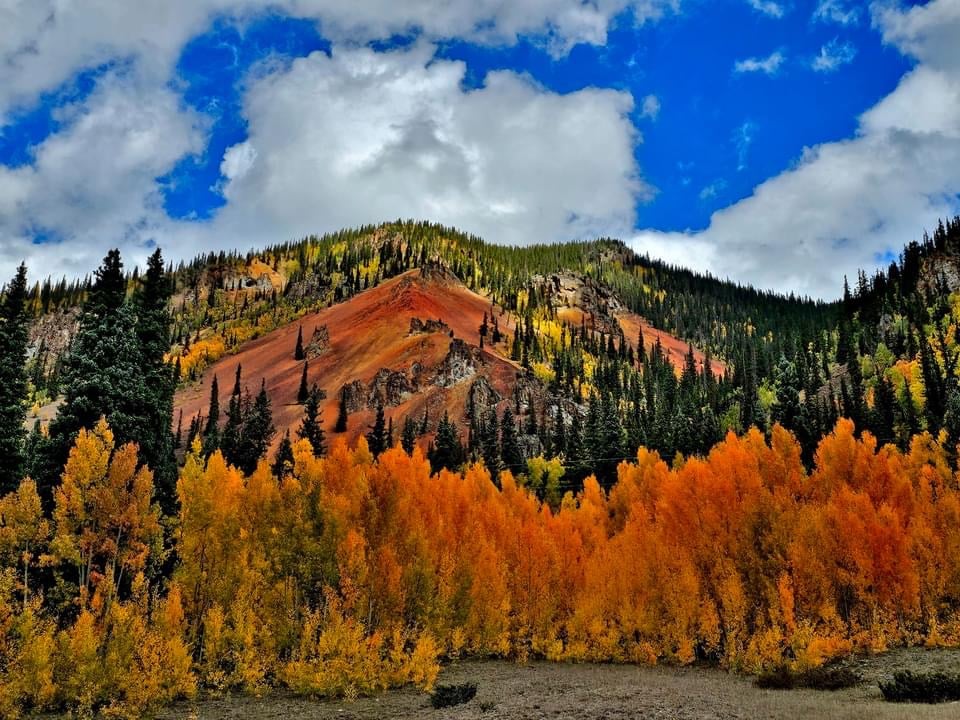
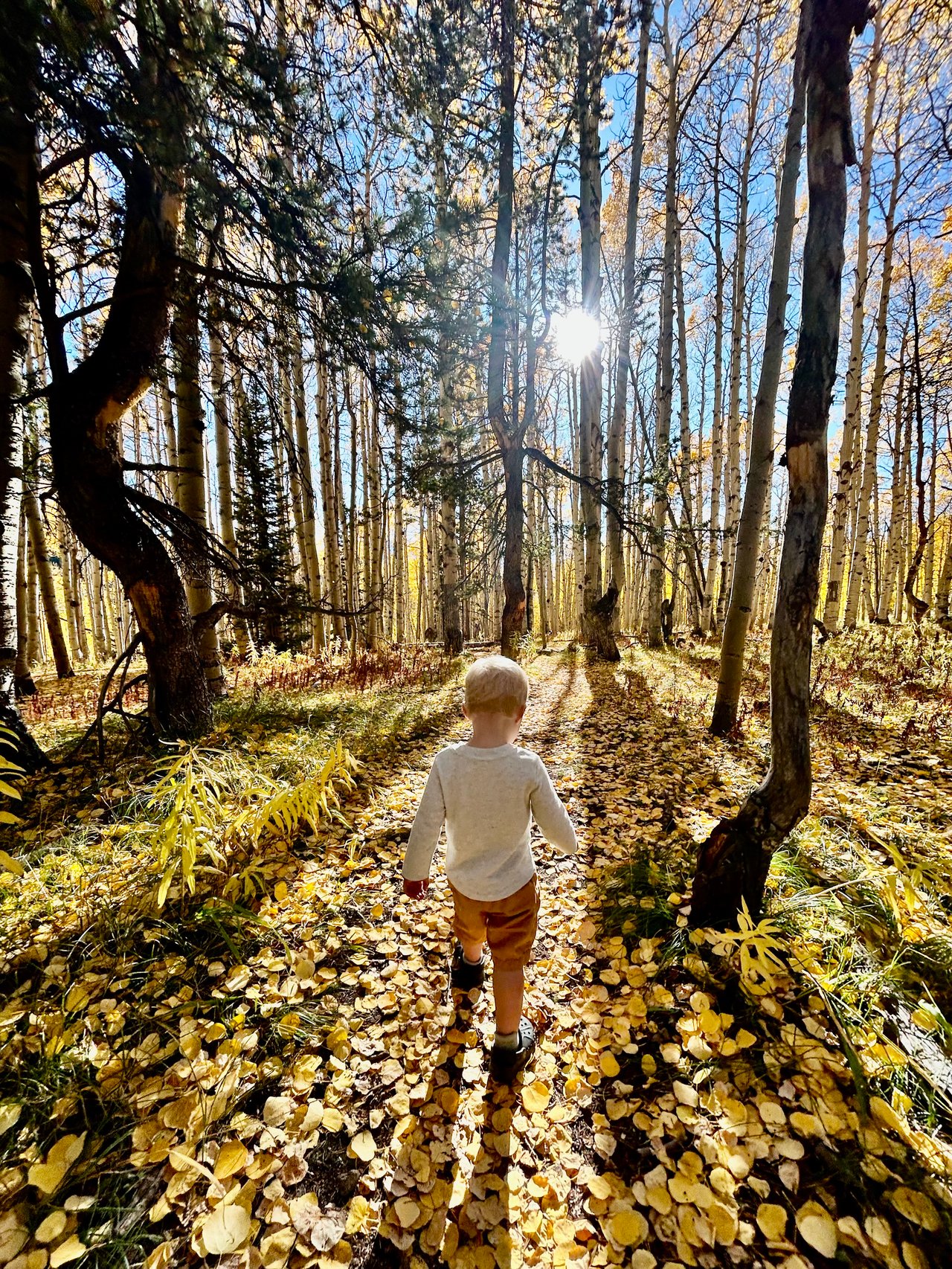
One of Jamestown’s strengths is fast access to foothill and alpine recreation. In summer, you can reach the Brainard Lake Recreation Area and Indian Peaks trailheads for hikes, fishing, and alpine lakes. In winter, the Brainard Lake area shifts to managed Nordic and snowshoe access with seasonal gate and parking rules. For current seasonal norms and winter gateway information, see the Colorado Mountain Club’s Brainard Lake notes.
Canyon roads around Jamestown attract cyclists, and many ride to town for a rest and refuel at The Merc. For a local take on these routes and stops, explore the roundup from Boulder Weekly on cycling rest stops.
Seasons, hazards, and preparedness
Mountain seasons add character and responsibility. You will see snow, freeze-thaw cycles, and occasional debris on canyon roads. Plows maintain primary routes, but you should be comfortable with winter driving and build extra time into travel plans, especially after storms.
Wildfire and forest health are part of the regional reality. Public and private partners have funded and implemented mitigation and forest treatments in and around Jamestown to reduce risk and improve watershed health. You can review project references and partners through the St. Vrain and Left Hand Water Conservancy District’s project listings.
Practical readiness tips:
- Keep vehicles winter-ready with tires and emergency kits.
- Maintain defensible space and harden structures where appropriate.
- Confirm seasonal trailhead access before you drive.
- Store backup heat or fuel per manufacturer guidance.
Who thrives in Jamestown
Owners who love Jamestown tend to value a few shared themes:
- Direct outdoor access. Day hikes, alpine lakes, and canyon rides are close.
- A participatory small town. Community programs, volunteer days, and music nights add texture.
- Simple, resilient home systems. Wood or propane heat and practical maintenance are normal.
- Seasonal awareness. Snow and closures shape travel and recreation in winter.
If that mix sounds right, Jamestown offers rare quiet within easy reach of Boulder.
Smart steps before you buy
A retreat is both a lifestyle and an asset. Approach your search with clear priorities and thorough due diligence.
- Study site history. Review any floodplain context and past repairs using seller disclosures and public documents, including insights from 2013 flood coverage.
- Evaluate structure and systems. Understand heating type, insulation levels, and utility logistics noted in the town’s sustainability plan.
- Plan for access and commute. Expect a roughly 20 to 30 minute drive to Boulder in normal conditions per the county transit study.
- Assess wildfire readiness. Look for mitigation work on-site and in the area, referencing active efforts cataloged by regional partners.
- Model seasonal use. Consider how winter gate rules at Brainard Lake affect your routine.
Ready to explore Jamestown living?
Owning a retreat in Jamestown means trading some convenience for a deeper connection to place. You get creek-side calm, a true community hub at The Merc, alpine access within a short drive, and a home that invites hands-on care. If you want guidance grounded in building know-how and market strategy, connect with Arn Rasker for tailored counsel on Jamestown properties.
FAQs
How far is Jamestown from Boulder and how long is the drive?
- Planning estimates put the trip at about 13 miles and roughly 20 to 30 minutes in normal conditions, as outlined in the county’s mountain transit study.
What services are in Jamestown, and where do you go for groceries and health care?
- Jamestown has a small civic core and The Merc as a gathering spot, while residents typically travel to nearby towns like Boulder, Lyons, or Nederland for full-service groceries and medical care.
What are winters like for driving and trail access near Jamestown?
- Canyon roads are maintained but can be snowy or icy, and alpine areas like Brainard Lake shift to winter rules with gated access and designated parking for Nordic and snowshoe use.
What home systems are common in Jamestown mountain houses?
- Many homes rely on wood-burning stoves, propane, or electric heat, with air-conditioning uncommon and insulation levels that can vary based on age and retrofits.
What is the wildfire and flood risk context for Jamestown homes?
- The 2013 flood shaped rebuilding and land-use planning, and regional partners continue wildfire mitigation and forest-health work in the watershed to reduce risk and improve resilience.
Is Jamestown a good fit for a second home or full-time living?
- It suits owners who value quiet, direct outdoor access, a participatory small town, and who are comfortable with seasonal travel, practical home systems, and occasional volunteerism.