Trying to decide between a condo near the lifts or a single-family home with more space in Crested Butte or nearby Gunnison? You are not alone. Many second-home buyers and investors face this same crossroads, especially with the area’s strong winter and summer seasons. In this guide, you will get a clear framework to compare ownership experience, carrying costs, rental potential, and local rules so you can choose with confidence. Let’s dive in.
Condo vs home: lifestyle fit
Condo living in Crested Butte
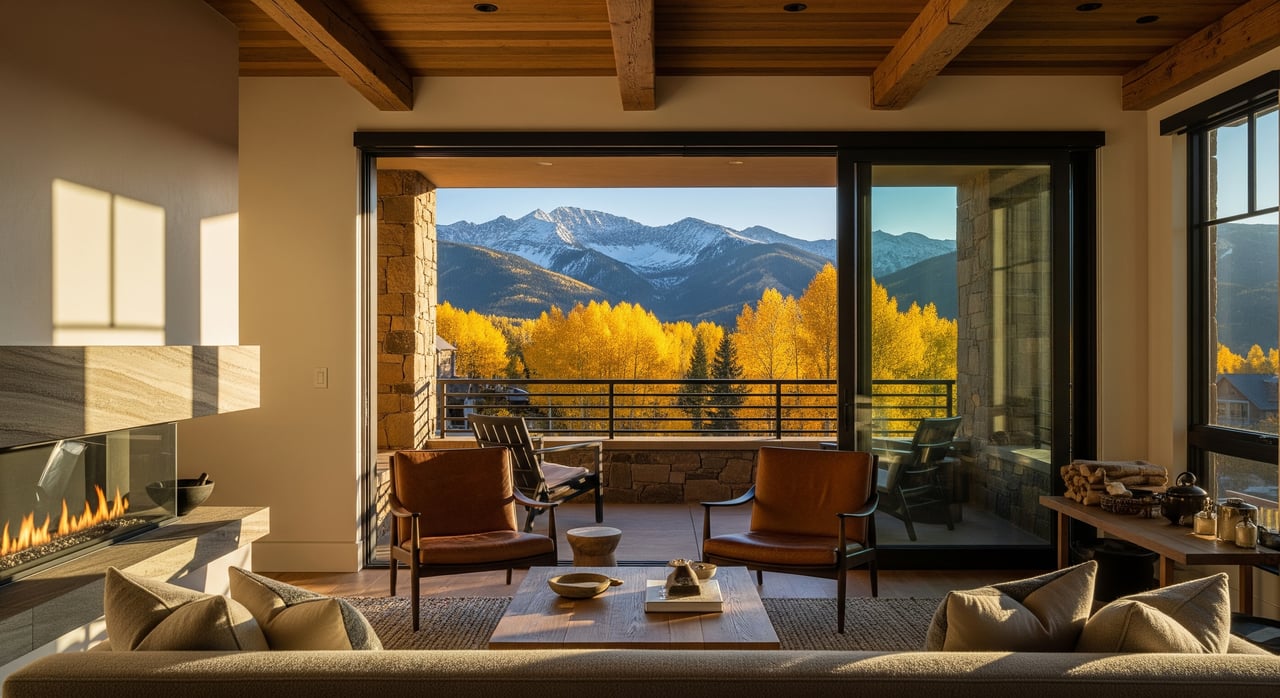
If you want a walkable base close to the mountain, a condo or townhome can be a great fit. HOAs often handle exterior maintenance, common-area snow removal, and landscaping, which keeps day-to-day chores light. Some complexes offer shared amenities like hot tubs, saunas, or fitness rooms that guests appreciate during ski season and summer festivals. Inside the unit, you still manage your own systems and contents, so you should plan for routine repairs and appliance replacement.
Before you buy, review HOA minutes and reserve studies. Healthy reserves help fund future building needs without large special assessments. Also confirm the rental rules, parking policies, and pet policies in the governing documents. Finally, verify what the master insurance policy covers and what falls to your individual HO-6 policy.
Single-family homes in town and county
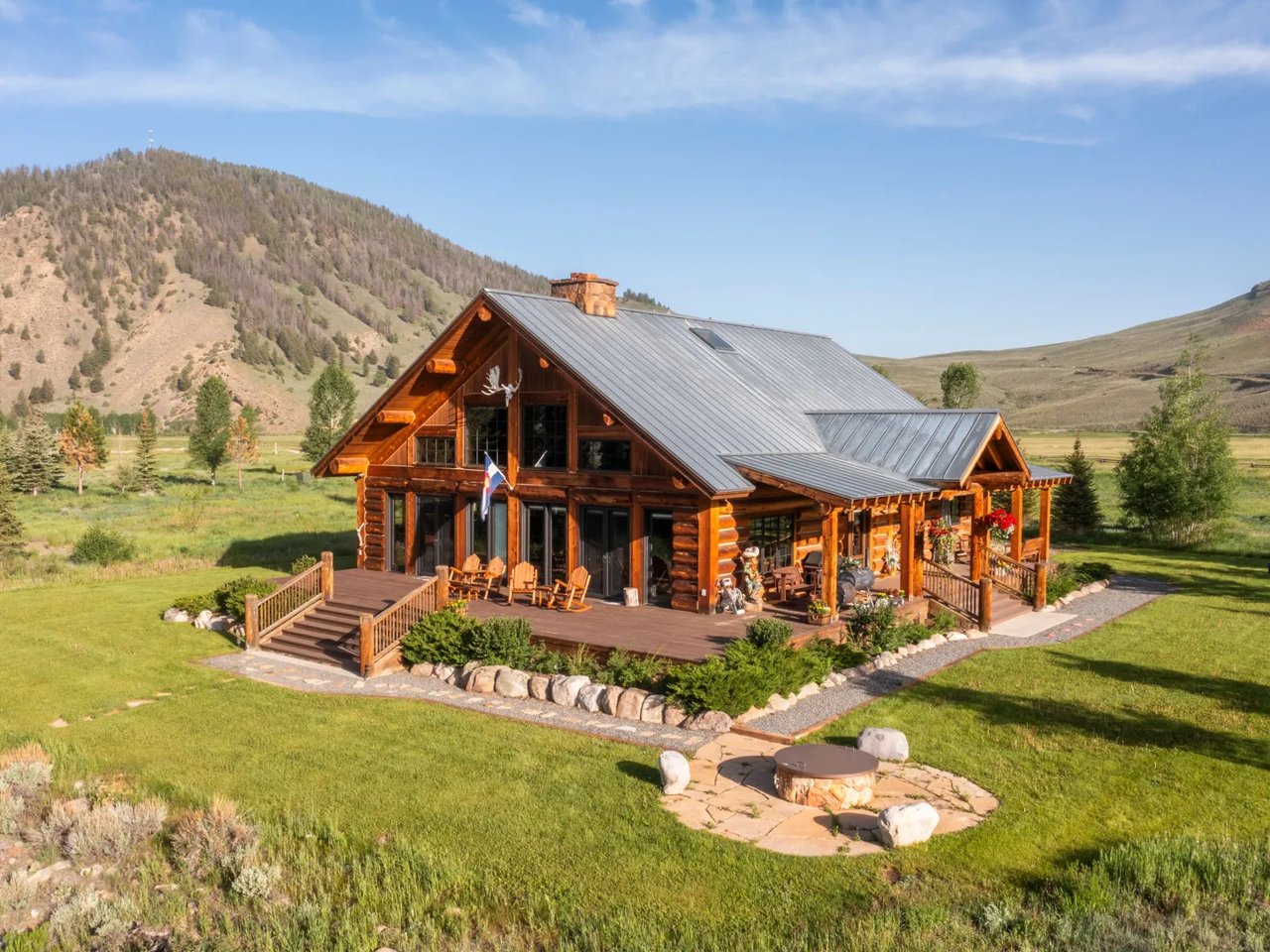
A detached home gives you privacy, control over finishes, and often a garage or extra storage for gear. You also get a yard or outdoor space that can be hard to find in a condo complex. In exchange, you take on all exterior maintenance, including roof, gutters, driveway plowing, and landscaping. If the property is outside town, be mindful of winter access and who is responsible for plowing private roads.
In the Gunnison County countryside, some homes run on septic and private wells. These systems need periodic inspections and maintenance, and they can be a meaningful line item in your budget. Mountain conditions also add unique demands, like managing snow loads, preventing ice dams, and protecting plumbing from freeze risk.
Maintenance and seasonal realities
What HOAs handle
Most HOAs manage the building envelope, common areas, and shared systems. In winter, they typically coordinate snow removal for common walkways and lots. This can be a relief if you live out of town or plan to rent the unit seasonally. Still, read the HOA policies on winterization and owner responsibilities during long absences. You may need to maintain minimum heat, monitor plumbing, or install devices that reduce freeze risk.
Mountain home responsibilities
With a detached home, you plan and pay for everything outside your walls. Snow removal, roof monitoring, and ice management become routine tasks. If the home has a septic system or well, set a schedule for inspections and servicing. Creating wildfire defensible space and following local mitigation guidelines may also apply, and they can affect insurance and safety.
Seasonality and access
Crested Butte’s peak demand periods are winter ski season and summer’s biking and wildflower months. In shoulder seasons, parking, plow timing, and road conditions can affect guests and contractors. If your home sits on a steeper road or private drive, clarify who plows, how quickly after storms, and what that costs.
Carrying costs: line-by-line
Build a side-by-side budget for both options so you can compare true monthly and annual costs.
- Property taxes: Check current rates for the specific address through the county assessor.
- Mortgage principal and interest: Loan terms can vary by property type and whether it is a primary, second home, or investment property.
- HOA dues (condos): Note what is included, such as building insurance, water and sewer, snow removal, trash, cable or internet, and reserve contributions.
- Insurance: HO-6 for condos to cover interiors and contents, HO-3 style policies for single-family homes. Add rental coverage if applicable.
- Utilities: Detached homes can see higher heating costs. Budget for electric, gas or propane, water, sewer or septic service, and internet.
- Routine maintenance and repairs: Detached homes generally run higher. For condos, focus on interior systems and appliances.
- Property management and cleaning: If you plan to short-term rent, include management fees, turnover cleanings, and supplies.
- Capital reserves: Roof replacement, furnace or boiler, septic servicing or replacement, driveway resurfacing, and appliance updates.
The key is predictability. Condos have visible HOA dues but fewer unknowns. Homes may have lower fixed dues but introduce variable maintenance and seasonal costs that can spike.
Rental potential and rules
Demand cycles and location fit
Crested Butte performs like a classic mountain resort with two strong seasons. Winter ski demand is primary, and summer brings mountain biking, wildflower events, and festivals. Proximity to lifts and town center usually helps occupancy and nightly rates. Amenities that matter to guests include covered parking, good gear storage, in-unit laundry, and hot tubs. Unit layout and bed-bath count directly affect your pricing power and booking pace.
Expect seasonality. In peak months you may see stronger occupancy and higher average daily rates. In shoulder periods, plan for vacancy and lower revenue. Your pro forma should account for off-season costs even when revenue dips.
Permits, licenses, and HOA limits
Rules differ between the Town of Crested Butte and unincorporated Gunnison County. Many addresses require short-term rental licensing, with occupancy limits, zoning constraints, and tax collection requirements. HOAs often have their own rental policies, including minimum stays, caps on the number of units that can rent, or on-site management requirements.
Noncompliance can result in fines or loss of rental privileges. Before you make an offer, confirm the current rules for the specific address with the town or county and ensure the HOA’s governing documents allow your intended use.
Operating as a rental owner
Decide whether you will self-manage or hire a local manager. Managers can handle marketing, guest communication, compliance, cleaning, and maintenance. Plan guest logistics for winter, including parking, snow access, and emergency contacts. Review your insurance policy to confirm that short-term rental activity is covered by a proper endorsement or commercial policy.
Financing, insurance, and taxes
How loans differ
Lenders often apply extra scrutiny to condos. The project may need to meet requirements related to reserves, owner occupancy, and litigation. If you plan to buy an investment property, expect higher down payments and rates than a primary residence. Second-home loans can offer different terms than pure investments, so clarify your intended use with your lender from the start.
Getting insurance right
Condo owners typically carry an HO-6 policy for interior finishes and contents, while the HOA’s master policy covers the shell and common areas. Single-family owners carry a broader policy that includes the structure and site. If you plan to rent, ask your insurer for a vacation rental endorsement or a commercial policy that covers liability and loss of income where applicable.
Taxes and lodging obligations
Rental income is taxable, and your ability to deduct expenses or claim depreciation depends on how you use the property. Local jurisdictions often require collection and remittance of lodging or accommodations taxes for short-term rentals. If you are weighing second-home use against heavy rental activity, talk with a tax professional who understands vacation rentals and capital gains rules.
Decision framework for Crested Butte buyers
Start with your priorities
- Lifestyle: Do you want a lock-and-leave base with minimal chores and easy access to lifts and dining? A condo likely fits.
- Privacy and control: Is a garage, yard, or workshop space a must-have? A single-family home may be the better match.
- Predictability vs flexibility: Would you rather pay visible HOA dues and reduce surprises, or accept variable maintenance in exchange for control and potential land-driven appreciation?
Build a conservative pro forma
Estimate seasonal revenue by month, subtract property management, cleaning, lodging taxes, HOA dues, insurance, and utilities. Run at least two stress tests: lower occupancy in shoulder months and higher heating or repair costs in winter. Include a capital reserve line for big-ticket items so you are not surprised by roof work or septic service.
Due diligence checklist
- Location and access: Distance to lifts and town, airport proximity in Gunnison, and confirmed winter plow plans.
- Regulations and HOA: Short-term rental rules for the specific address, HOA rental policies, and any pending ordinance changes.
- Financials: HOA budgets, reserve studies, and project health for condos. For homes, collect service records for roof, heating, septic, and well.
- Property condition: Insulation levels, freeze risk for plumbing, roof age, and driveway condition.
- Legal and title: Easements, right of way, parking rights, and well or septic permits.
- Insurance: Quotes that reflect rental use if applicable, plus wildfire and winter risk considerations.
- Exit strategy: Planned hold period, expected resale demand, and any transfer restrictions in HOA documents.
Quick comparison summary
- Condo: Best for convenience and walkability with lower daily chores. Strong appeal for seasonal rentals, but subject to HOA dues, rules, and special assessments.
- Single-family home: Best for privacy, storage, and control over improvements. Higher maintenance, more variable costs, and potential for appreciation tied to land.
How a technical advisor helps
Choosing the right property in Crested Butte or Gunnison is part lifestyle decision and part technical due diligence. A construction-informed approach helps you weigh HOA reserve strength, building systems, septic and well health, winterization strategies, and realistic operating costs. It also helps you build a rental pro forma grounded in seasonality and compliance.
If you want a calm, data-driven process and help coordinating local lenders, inspectors, and property managers, connect with a broker who blends building expertise with high-touch service. That combination can simplify your decision and protect your investment.
When you are ready to compare specific condos and homes side by side, reach out to Arn Rasker for a bespoke market consultation that aligns with your goals in Gunnison County.
FAQs
HOA fees vs home maintenance in Crested Butte
- Condos concentrate costs in visible HOA dues while homes may have lower fixed dues but higher and more variable maintenance, utilities, and seasonal expenses.
Short-term rental rules for town vs county
- The Town of Crested Butte and unincorporated Gunnison County have different licensing, zoning, and tax requirements, so verify the current rules for the specific property address.
Financing condos vs houses as a second home
- Condo loans may require project approval and stronger reserves, while second-home financing terms differ from investment loans for both condos and houses.
Seasonality of rental demand in Crested Butte
- Expect peak demand in winter for skiing and strong summer activity for biking and wildflower events, with lower occupancy in shoulder seasons.
Inspections unique to mountain properties
- Prioritize roof, insulation, plumbing freeze risk, heating systems, and for rural properties, septic and well inspections with service records.
Insurance for properties you plan to rent
- Condo owners typically carry an HO-6 plus a rental endorsement, while single-family homes use broader coverage and may require specific vacation rental or commercial endorsements.